
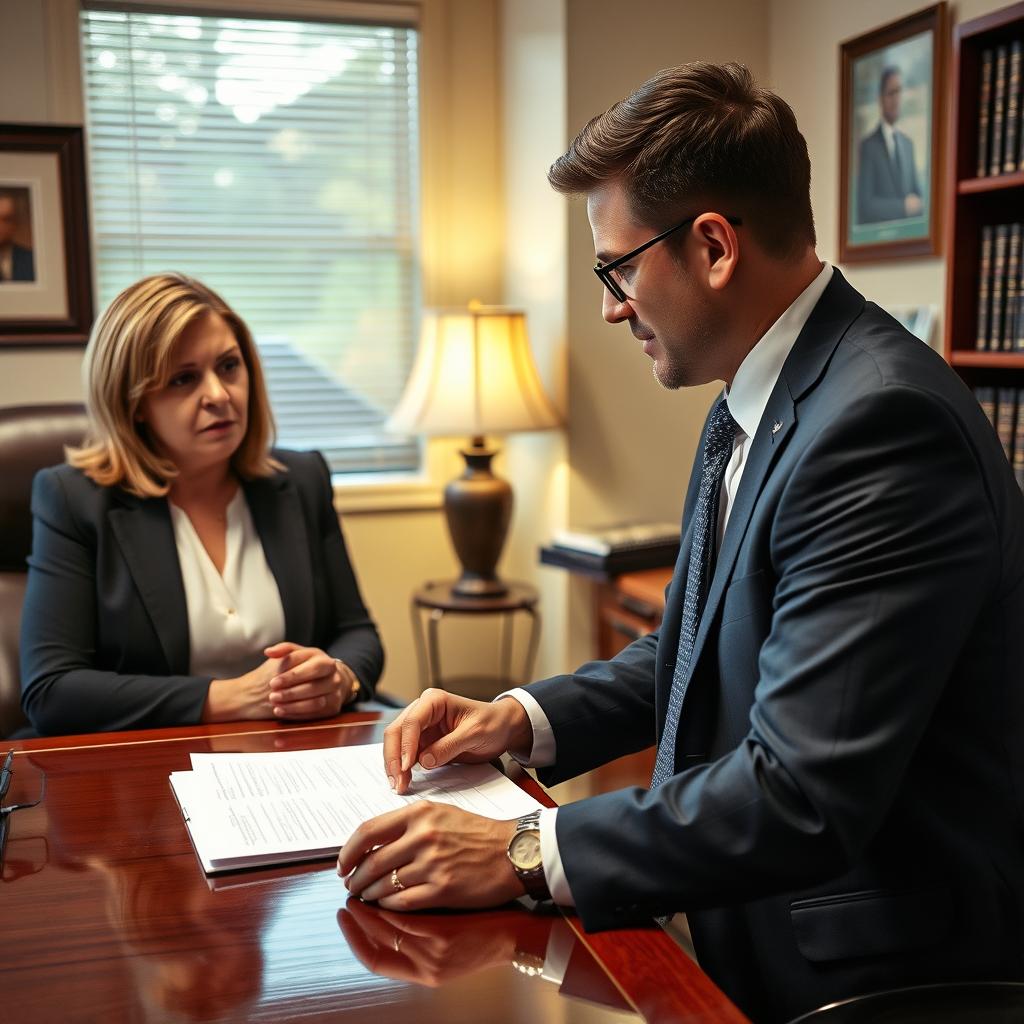
Concealed Weapon Lawyer Shenandoah County, VA
A concealed weapon charge in Shenandoah County can put your freedom, firearm rights, and record at risk. Under Va. Code § 18.2-308, carrying a weapon hidden from common observation is a Class 1 misdemeanor for a first offense and becomes a felony on a second or subsequent offense. The matter may be heard in the Shenandoah County General District Court or the Shenandoah County Circuit Court, depending on the charge. Mr. Sris and the firm’s Of Counsel attorneys bring extensive combined legal experience to these cases, working to protect clients’ rights at every stage. For a consultation, reach Law Offices Of SRIS, P.C. at (888) 437‑7747.
What Concealed Weapon Charges Mean in Shenandoah County
Virginia law defines carrying a concealed weapon broadly. Any firearm or other weapon carried “hidden from common observation” without a valid concealed handgun permit can lead to prosecution under Va. Code § 18.2-308. Shenandoah County law enforcement agencies take weapons offenses seriously, and the Commonwealth’s Attorney’s office prosecutes these cases vigorously. The charge may arise from a traffic stop, a public encounter, or an investigation, and the facts often turn on whether the weapon was truly concealed and whether the accused fell within any statutory exception.
Penalties depend on the offense level. A first offense is a Class 1 misdemeanor, punishable by up to 12 months in jail and a $2,500 fine. A second offense is a Class 6 felony, carrying 1 to 5 years in prison (or up to 12 months in jail if sentenced by a jury). A third or subsequent offense is a Class 5 felony, which can mean 1 to 10 years. A felony conviction also results in the loss of firearm rights, creating lifelong consequences. Because the stakes rise sharply with repeat offenses, an experienced defense attorney should be involved as early as possible.
A first-offense concealed weapon violation in Virginia is a Class 1 misdemeanor (up to 12 months/$2,500); a second offense is a Class 6 felony; a third or subsequent offense is a Class 5 felony.
Source: Va. Code § 18.2-308. Va. Code § 18.2-308
Reviewed by Mr. Sris, admitted in VA/MD/DC/NJ/NY.
The Shenandoah County General District Court hears misdemeanor trials and felony preliminary hearings. If the charge is a felony, it will move to the Shenandoah County Circuit Court for trial or a possible negotiated resolution. Throughout the process, a defendant has an absolute right to a jury trial in the Circuit Court for any offense that carries jail time. Understanding local court practices and the individuals who prosecute and preside can be a significant advantage. The firm’s attorneys regularly appear in these courthouses on behalf of clients facing weapons charges.
Serving communities across the Shenandoah Valley: Woodstock, Edinburg, Strasburg, Mount Jackson, Toms Brook, and New Market, as well as travelers on I‑81 who are stopped in the county.
How Mr. Sris and His Of Counsel Handle Concealed Weapon Cases
Every concealed weapon case is unique, and the firm builds a defense around the specific facts. The process begins with a careful review of the arrest and the evidence. This includes examining whether law enforcement had reasonable suspicion to stop the client and probable cause to search, as well as whether the weapon was actually concealed within the meaning of the statute. The firm’s Of Counsel attorneys include a former Virginia State Trooper, whose firsthand knowledge of law enforcement procedures helps identify potential weaknesses in the prosecution’s case.
If the evidence presents grounds for a motion, the firm files appropriate challenges—such as a motion to suppress unlawfully obtained evidence. For clients who are eligible, the firm negotiates with the Commonwealth’s Attorney to seek a reduction of the charge or an alternative disposition. When a trial is necessary, Mr. Sris and his Of Counsel present a thorough defense, cross-examining witnesses and arguing before the court. The goal in every matter is to achieve favorable outcomes under the law, but no attorney can guarantee a particular result. The firm’s approach focuses on preparation, knowledge of the law, and vigorous representation.
Clients often ask about the potential immigration consequences of a weapon conviction. A criminal conviction can trigger serious collateral consequences for non-citizens, including removal or inadmissibility. The firm advises clients on these risks and, when appropriate, structures a resolution that minimizes the immigration impact. Throughout the representation, the firm keeps clients informed about the status of their case and the options available at each stage.
About Mr. Sris and the Firm’s Of Counsel Attorneys
Mr. Sris, Owner and Founder of Law Offices Of SRIS, P.C., founded the firm in 1997. A former prosecutor, he has practiced across Virginia, Maryland, the District of Columbia, New Jersey, and New York. His background includes testimony before the Virginia House Courts of Justice Committee in support of 2019 HB 635 (chief patron Del. David Bulova). Mr. Sris concentrates his practice on criminal defense and brings the perspective of someone who has seen the justice system from both sides.
The firm’s Of Counsel attorneys add diverse experience. Among them is a former Virginia State Trooper who served 15 years in law enforcement, conducting criminal and traffic investigations across the Commonwealth. This insight into police protocols, investigative techniques, and enforcement tactics informs every defense strategy. The firm’s attorneys are admitted in Virginia courts, and together they bring extensive combined legal experience to concealed weapon and other criminal matters. Results may vary.
Law Offices Of SRIS, P.C. maintains a Shenandoah/Woodstock location to serve clients in the 26th Judicial District. By appointment only.
Address: 505 N Main St, Suite 103, Woodstock, VA 22664 | Phone: (888) 437‑7747.
Frequently Asked Questions
What are the penalties for carrying a concealed weapon in Shenandoah County, Virginia?
A first-offense concealed weapon charge under Va. Code § 18.2-308 is a Class 1 misdemeanor (up to 12 months and $2,500). A second offense is a Class 6 felony (1–5 years), and a third or later offense is a Class 5 felony (1–10 years). Besides incarceration and fines, a felony conviction means losing the right to possess firearms. The court of jurisdiction depends on the charge level: the Shenandoah County General District Court for misdemeanors and preliminary hearings, and the Circuit Court for felony trials. For guidance on your specific situation, reach Law Offices Of SRIS, P.C. at (888) 437‑7747.
Can a concealed weapon charge be dismissed or reduced in Shenandoah County?
Many concealed weapon cases can be resolved favorably when legal issues exist or a negotiated resolution is reached. The firm has documented case results in Shenandoah County, including dismissals and reductions to lesser charges. Whether a charge can be dismissed depends on factors such as whether the stop and search were lawful, whether the weapon was actually concealed, and whether any statutory exception applies. The Commonwealth’s Attorney may agree to amend the charge when the evidence supports a negotiated outcome. To discuss the details of your matter, contact Law Offices Of SRIS, P.C. at (888) 437‑7747.
What should I do if I am stopped and accused of carrying a concealed weapon?
Remain calm, do not resist, and exercise your right to remain silent. Politely decline to answer questions about the weapon until you have an attorney present. Do not consent to a search of your person or vehicle. Contact a defense attorney as soon as possible. Statements you make during the stop can be used against you, so it is critical to let your lawyer handle communication with law enforcement. For immediate assistance, reach Law Offices Of SRIS, P.C. at (888) 437‑7747.
Does Virginia recognize concealed handgun permits from other states?
Virginia recognizes valid concealed handgun permits issued by any other state if the holder is at least 18 years old and the permit is in their possession. However, the reciprocity rules have specific requirements, and a non-resident may still face a charge if the permit is not valid on its face or the person does not meet Virginia’s eligibility criteria. It is best to carry the permit and valid identification. If you were charged despite having an out-of-state permit, a lawyer can review the details and present a defense based on the reciprocity statute. Results may vary.
Will a concealed weapon conviction go on my criminal record?
Yes, a conviction will result in a permanent criminal record unless it is later expunged under the narrow circumstances Virginia allows. Virginia permits expungement only for acquittals, dismissals, and nolle prosequi—not for most convictions. A misdemeanor or felony weapons conviction can affect employment, professional licensing, and housing. For non-citizens, a weapons conviction may trigger immigration consequences. Because of the lasting impact, it is essential to mount a strong defense from the outset. To discuss your options, contact the firm at (888) 437‑7747.
How does the court process work for a concealed weapon charge in Shenandoah County?
The process begins with an arrest and an appearance before a magistrate who sets bond. For misdemeanors, the case is set for trial in the Shenandoah County General District Court. For felonies, a preliminary hearing is held in the GDC; if the court finds probable cause, the case is certified to the Circuit Court for trial. At any stage, a defense attorney can negotiate with the prosecutor, file motions, and prepare for trial. The timeline varies depending on court scheduling and the complexity of the case. Throughout, the firm keeps clients informed and ready for each step.
What defense strategies are available for a concealed weapon case?
Defense strategies may include challenging the legality of the stop or search, arguing that the weapon was not actually concealed, or asserting a statutory exception. For example, if the weapon was found during an unlawful pat-down, a motion to suppress may be filed. The firm’s Of Counsel attorneys, including a former Virginia State Trooper, analyze the investigation from a law enforcement perspective to identify procedural errors. Each case is different, so an individualized review of the facts is essential. For a consultation, reach Mr. Sris and his Of Counsel at (888) 437‑7747.
Do I need a lawyer for a concealed weapon charge, or can I handle it myself?
Because concealed weapon charges carry the possibility of jail time and a permanent record, having an experienced attorney gives you the trusted opportunity for a favorable outcome. Even a first-offense misdemeanor can have long-term consequences, and repeat offenses become felonies. The law and court procedures are complex, and prosecutors are trained to secure convictions. An attorney can negotiate for a reduced charge, identify legal issues, and represent you at trial. Facing the Shenandoah County courts without representation puts you at a significant disadvantage.
How can I reach a concealed weapon lawyer in Shenandoah County right now?
Call (888) 437‑7747 to request a consultation with Law Offices Of SRIS, P.C. The firm’s Shenandoah/Woodstock location is available by appointment. Phones are answered 24 hours a day, and staff can connect you with an attorney promptly. If you were recently arrested or have a court date approaching, do not delay—early involvement of counsel can make a meaningful difference. All inquiries are handled confidentially.
What collateral consequences can result from a concealed weapon conviction?
Beyond the criminal penalties, a conviction can affect your firearm rights, employment, professional licenses, and immigration status. A felony conviction imposes a lifetime ban on possessing firearms. Even a misdemeanor domestic violence conviction can trigger federal firearm prohibitions. Many employers and licensing boards require disclosure of criminal convictions. Immigration consequences can include removal or denial of admission. The firm considers these collateral effects when developing a defense strategy to protect your long-term interests. Results may vary.
Does the firm represent clients in all Shenandoah County courts?
Yes, the firm appears in both the Shenandoah County General District Court and the Shenandoah County Circuit Court. Mr. Sris and his Of Counsel are familiar with local procedures and the prosecutorial approach of the Commonwealth’s Attorney’s office. Whether you face a misdemeanor in the GDC or a felony indictment in the Circuit Court, you will have experienced representation. The firm’s Shenandoah/Woodstock location serves clients throughout the county, from Woodstock to Edinburg, Strasburg, Mount Jackson, and beyond.
Are there any first-offender programs for concealed weapon charges?
Virginia does have first-offender and deferred-disposition statutes, but their availability for a concealed weapon charge depends on the specific circumstances and the prosecutor’s position. Some general first-offender programs apply to certain misdemeanors, and the firm explores every option for a client who is eligible. Even if a statutory first-offender program does not directly apply, a negotiated disposition—such as an amendment to a non-weapon offense—may be possible. An attorney can determine what relief is available after reviewing the facts of your case. For guidance, call (888) 437‑7747.
Case results for Shenandoah County include 12 documented criminal defense matters: 2 dismissed/not guilty, 9 reduced/amended, 1 other favorable. Results may vary.
Explore criminal defense resources in nearby counties:
Attorney advertising. Prior results do not guarantee a similar outcome. Results may vary. Case results depend on a variety of factors unique to each case. Law Offices Of SRIS, P.C. is a multi-state law firm practicing in Virginia, Maryland, the District of Columbia, New Jersey, and New York. Engaging the firm requires a signed engagement agreement. The information on this page is not legal advice.