
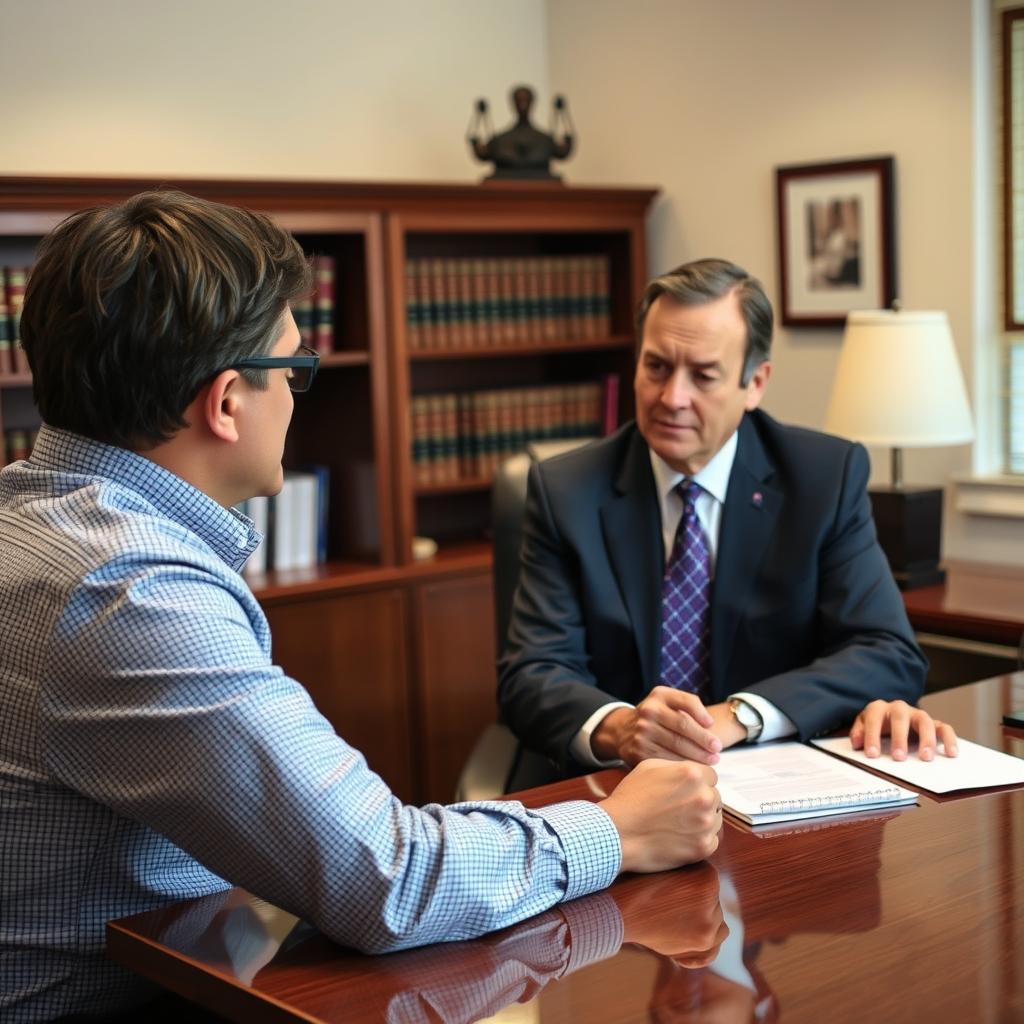
Malicious Wounding Lawyer Loudoun County, VA
A conviction for malicious wounding in Virginia can alter the course of your life. The charge is a Class 3 felony under Virginia Code § 18.2‑51, carrying a sentence of five to twenty years in prison, and if the victim sustains permanent and significant impairment, the offense elevates to a Class 2 felony with a punishment range of twenty years to life. Law Offices Of SRIS, P.C. Concentrates its practice on criminal defense across the Commonwealth, and the firm’s Ashburn location serves individuals facing these serious allegations in Loudoun County. Mr. Sris, a former prosecutor and the firm’s Owner and Founder, and the firm’s Of Counsel attorneys bring extensive combined legal experience to malicious wounding cases in the General District Court and Circuit Court. To request a consultation about your matter, call (888) 437‑7747. Law Offices Of SRIS, P.C. – Advocacy Without Borders.
Malicious wounding under Va. Code § 18.2‑51 is punishable as a Class 3 felony (5–20 years imprisonment); aggravated malicious wounding under § 18.2‑51.2 is a Class 2 felony (20 years to life).
Source: Va. Code Title 18.2, Chapter 4. Virginia Law Portal – § 18.2‑51
Reviewed by Mr. Sris, admitted in VA/MD/DC/NJ/NY.
What a Malicious Wounding Charge Means in Loudoun County
Malicious wounding in Virginia is defined by a specific intent: the accused must have acted with the purpose to maim, disfigure, disable, or kill. This intent requirement sets malicious wounding apart from lesser assault offenses and makes the charge one of the most serious non‑homicide felonies in the Commonwealth. In Loudoun County, the Commonwealth’s Attorney prosecutes these cases actively, and the factual investigation often involves forensic medical evidence, eyewitness testimony, and law enforcement records. Because Loudoun County is a rapidly growing jurisdiction with a diverse population and an active court docket, the procedural path a case takes can differ from that in smaller or more rural Virginia counties.
Felony charges such as malicious wounding proceed in two stages. The case begins in the Loudoun County General District Court, located at 18 East Market Street in Leesburg, for a preliminary hearing. At that hearing, the Commonwealth must present enough evidence for a judge to find probable cause. If probable cause is found, the matter is certified to the Loudoun County Circuit Court for trial. A defendant has an absolute right to a jury trial in Circuit Court for any offense carrying potential jail time, and many malicious wounding cases are resolved before a jury. The Circuit Court also hears motions concerning the admissibility of statements, physical evidence, and expert testimony. Understanding these local procedural realities is essential to mounting a well‑prepared defense.
How Mr. Sris and the Firm’s Of Counsel Attorneys Handle Malicious Wounding Cases
Defending a malicious wounding accusation requires a methodical review of every element the Commonwealth must prove. Mr. Sris and the firm’s Of Counsel attorneys begin by examining the police reports, the initial arrest affidavit, and the complaining witness’s statements. Because intent is the dispositive piece of a malicious wounding charge, the defense often focuses on whether the evidence shows a specific intent to cause permanent harm, or whether the circumstances point to a lesser included offense such as assault and battery. The firm also works with independent investigators and, when necessary, forensic experts to evaluate the physical evidence and to identify inconsistencies in the prosecution’s narrative.
Throughout the pretrial phase, Mr. Sris and the firm’s Of Counsel attorneys engage in substantive discussions with the Commonwealth’s Attorney. While Virginia courts do not engage in judicial plea bargaining, the prosecution retains discretion to amend charges or to nolle prosequi a case that cannot meet its evidentiary burden. In many Loudoun County felony matters, the firm has negotiated charge amendments to reduced offenses that carry less severe sentencing exposure. When a trial is unavoidable, Mr. Sris and the firm’s Of Counsel attorneys bring extensive combined legal experience into the courtroom, challenging the state’s witnesses, objecting to improper evidence, and presenting a cohesive defense theory to the judge or jury. Results may vary.
About Mr. Sris and the Firm’s Of Counsel Attorneys
Mr. Sris, Owner and Founder of Law Offices Of SRIS, P.C., founded the firm in 1997 after serving as a prosecutor. His firsthand insight into how the Commonwealth builds a case shapes the approach the firm takes in every criminal matter. Mr. Sris has practiced across Virginia, Maryland, the District of Columbia, New Jersey, and New York for decades, and he keeps a personal caseload intentionally limited so that each client receives focused attention. Mr. Sris also testified before the Virginia House Courts of Justice Committee in support of 2019 HB 635 (chief patron Del. David Bulova), an experience that deepened his understanding of how Virginia legislation affects individuals in the courtroom.
The firm’s Of Counsel attorneys bring additional perspective to malicious wounding cases. Their backgrounds include former law enforcement service, rigorous trial advocacy training, and years of courtroom experience in the Northern Virginia region. Because the firm has no associate employees—every litigator is Of Counsel to Law Offices Of SRIS, P.C.—each matter benefits from a collaborative, senior‑level approach. Whether a case is resolved through negotiation or proceeds to a jury trial in Loudoun County Circuit Court, the client works with experienced professionals who understand both the legal standards and the local court culture.
Frequently Asked Questions
How does a Virginia lawyer defend against malicious wounding charges?
Defense counsel defends a malicious wounding charge by challenging the required element of specific intent—if the evidence does not prove the accused acted with a purpose to cause permanent injury, the charge cannot stand. The defense may also contest the identity of the perpetrator, the credibility of witnesses, the legality of the police investigation, or the admissibility of physical evidence. In Loudoun County, a thorough early investigation is critical because the Commonwealth’s Attorney typically reviews the case promptly after the preliminary hearing. For guidance on your specific situation, reach Law Offices Of SRIS, P.C. at (888) 437‑7747.
What should I do if I am facing malicious wounding charges in Virginia?
If you are facing malicious wounding charges in Virginia, the most important step is to speak with an experienced criminal defense attorney without delay, and to refrain from discussing the facts of your case with anyone other than your counsel. Every statement you make—to law enforcement, to family members, or on social media—can be used against you. Preserve any evidence that may be favorable, such as text messages, photographs, or the contact information of potential witnesses. A prompt evaluation of the charging documents and the arrest record allows your attorney to identify weaknesses in the Commonwealth’s case early in the process.
What are the penalties for malicious wounding in Virginia?
Malicious wounding under Va. Code § 18.2‑51 is a Class 3 felony, punishable by five to twenty years in prison. If the victim is permanently and significantly impaired, the offense is classified as aggravated malicious wounding under § 18.2‑51.2, a Class 2 felony carrying a sentence of twenty years to life. Beyond incarceration, a felony conviction results in the loss of civil rights, including firearm possession and, in many cases, voting rights. A felony record also creates lifelong barriers to employment, professional licensing, and housing. To discuss the details of your matter, contact Law Offices Of SRIS, P.C. at (888) 437‑7747.
Do I need a lawyer for a malicious wounding charge in Loudoun County?
Yes—because malicious wounding is a major felony, you need a lawyer who understands both the substantive law under Va. Code Title 18.2 and the procedures of the Loudoun County courts. An unrepresented defendant faces a trained prosecutor, rules of evidence that are complicated to navigate without legal training, and a potential sentence that can span years or decades. Early legal involvement can influence whether the Commonwealth seeks a grand jury indictment, what bond conditions are set, and whether a plea offer is extended. For a consultation, reach Mr. Sris and the firm’s Of Counsel attorneys at (888) 437‑7747.
How does the Loudoun County court process work for a malicious wounding case?
A malicious wounding case in Loudoun County begins with a preliminary hearing in the General District Court, where the judge determines whether probable cause exists to send the case to the Circuit Court for trial. If the judge finds probable cause, the matter is certified to the Loudoun County Circuit Court, where the defendant is arraigned, motions are litigated, and a trial date is scheduled. Because the charge is a felony, the defendant has the right to a jury trial. The timeline varies by case complexity and the court’s calendar, but early preparation is essential regardless of the pace of the proceedings.
Virginia legal resources:
Va. Code § 18.2‑51 – Malicious Wounding
|
Va. Code § 18.2‑51.2 – Aggravated Malicious Wounding
|
Loudoun County Circuit Court
Attorney advertising. Prior results do not guarantee a similar outcome.
Case results depend on a variety of factors unique to each case. Results may vary.
Reviewed by Mr. Sris, Owner and Founder, admitted in Virginia, Maryland, District of Columbia, New Jersey, and New York. Practicing since 1997.