
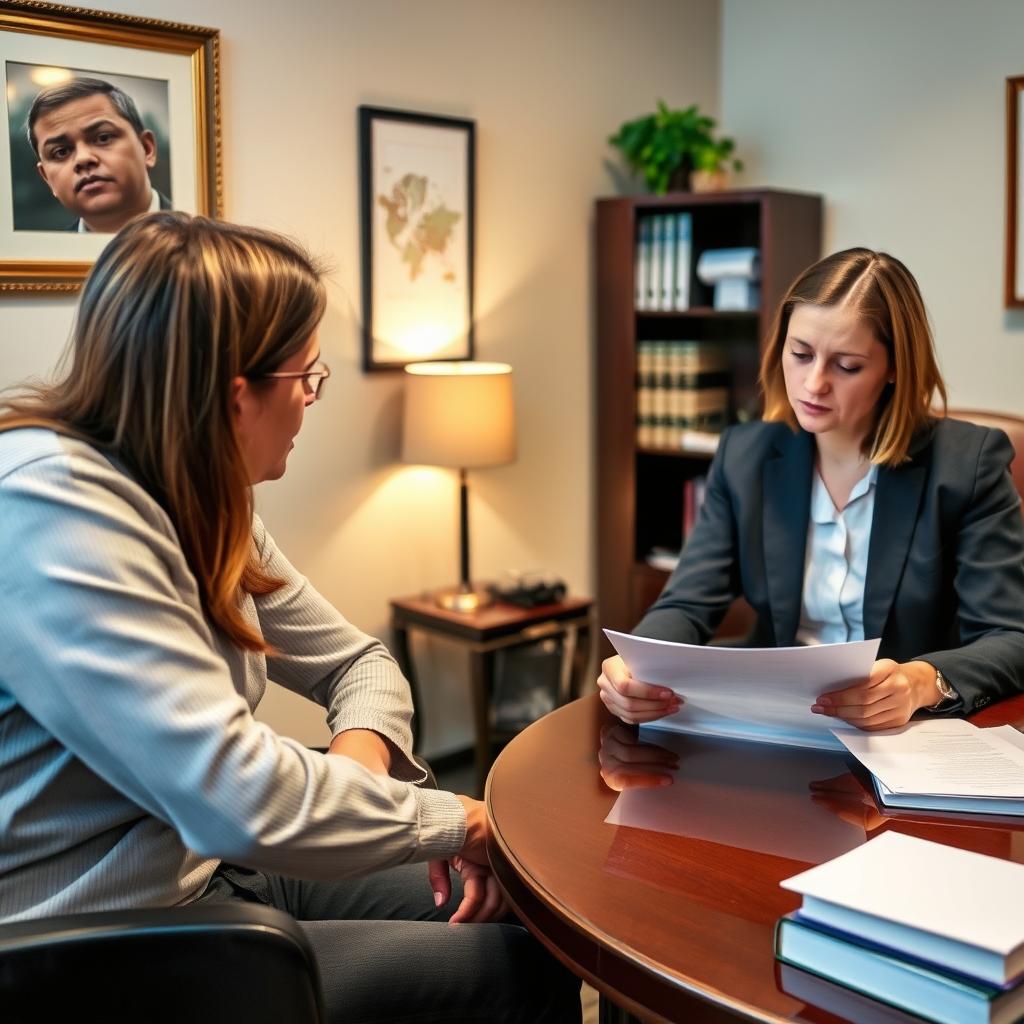
Domestic Violence Defense Lawyer Suffolk, VA
Facing a domestic violence charge in Suffolk, Virginia can feel overwhelming. The legal process moves quickly, and what happens in the first days after an arrest often affects the outcome. A conviction can bring jail time, fines, protective orders, and a permanent criminal record that follows you into employment, housing, and professional licensing. At Law Offices Of SRIS, P.C., Mr. Sris and his Of Counsel defend individuals accused of domestic violence in Suffolk’s General District Court and Circuit Court. We appear in the Suffolk City courthouse at 150 North Main Street, handling misdemeanor domestic assault cases and felony charges that carry serious consequences. Our firm, founded in 1997, serves clients across Virginia from our Richmond location. For a consultation about your situation, call (888) 437-7747. Law Offices Of SRIS, P.C. – Advocacy Without Borders.
Understanding Domestic Violence Charges in Suffolk, Virginia
Virginia Code § 18.2-57.2 governs assault and battery against a family or household member. The statute defines “family or household member” broadly—it includes spouses, former spouses, parents and children, step-relatives, siblings, in-laws who share a residence, and individuals who have a child in common or who cohabited within the previous twelve months. In Suffolk, these charges are prosecuted by the Commonwealth’s Attorney for the City of Suffolk. The case begins in Suffolk General District Court, located at 150 North Main Street, Suite 2G. For misdemeanor charges, the General District Court conducts the trial. If the charge is a felony—for example, a third offense within twenty years—the General District Court holds a preliminary hearing, and if probable cause is found, the case moves to Suffolk Circuit Court for trial.
A domestic assault allegation often triggers immediate consequences. A magistrate may issue an emergency protective order at the time of arrest, and a preliminary protective order can follow at the first court appearance. These orders can require the accused to leave a shared residence and stay away from the alleged victim, even before any finding of guilt. In our practice handling matters at the Suffolk courthouse, we have observed that the Commonwealth’s Attorney’s Office prosecutes domestic cases with consistency. Having an experienced defense attorney who understands local court procedures and the legal issues involved can be critical from the very first hearing.
Defending a domestic violence charge in Suffolk requires an understanding of both the substantive law and the procedural landscape. Evidence may include statements, photographs, medical records, 911 recordings, and testimony from officers who responded to the scene. Our approach is to examine the facts, identify legal and factual defenses, and present them effectively at every stage. Because a conviction under Va. Code § 18.2-57.2 can also trigger a federal firearm disability under the Lautenberg Amendment, the stakes go beyond state penalties.
How Mr. Sris and His Of Counsel Handle Domestic Violence Defense Cases
When a client reaches us after an arrest or summons in Suffolk, we begin by reviewing the charging documents and the circumstances surrounding the accusation. We look at whether the alleged actions meet the statutory elements under § 18.2-57.2, and we identify any evidentiary or procedural issues. In a domestic assault case, the prosecution must prove each element beyond a reasonable doubt. If the evidence is weak—for example, if witness accounts are inconsistent or if the alleged contact does not fall within the definition of assault and battery—we can challenge the charge at trial or in negotiations with the Commonwealth’s Attorney.
Virginia does not allow judges to participate in plea discussions, but the Commonwealth’s Attorney may agree to amend charges or recommend a disposition that avoids the most severe consequences. Mr. Sris, a former prosecutor, and his Of Counsel are experienced in presenting mitigating circumstances and arguing for outcomes that protect a client’s record and future. For first-offense domestic assault, the court may, with the defendant’s consent, defer the proceedings and place the defendant on probation with conditions. Successful completion can result in dismissal of the charge under Va. Code § 18.2-57.3. That outcome spares the client a conviction under § 18.2-57.2 and avoids the Lautenberg firearm prohibition. Our firm works to present clients for first-offender consideration where appropriate and to negotiate resolutions that minimize long-term harm.
About Mr. Sris and His Of Counsel Team
Mr. Sris, Owner and Founder of Law Offices Of SRIS, P.C., established the firm in 1997 after his own service as a prosecutor. Drawing on that experience, he understands how the prosecution evaluates domestic violence cases and where the weaknesses often lie. He is admitted to practice in Virginia, Maryland, the District of Columbia, New Jersey, and New York. His background includes testimony before the Virginia House Courts of Justice Committee, lending him insight into how Virginia statutes are shaped and applied. For domestic violence defense in Suffolk, Mr. Sris works alongside Of Counsel attorneys who bring additional courtroom experience. Together, Mr. Sris and his Of Counsel bring extensive combined legal experience. Results may vary.
Our firm serves the Suffolk community from its Richmond location at 7400 Beaufont Springs Drive, Suite 300, Room 395. We appear regularly in the Suffolk City courthouse and are familiar with the judges, prosecutors, and local procedures that affect a domestic violence case. We are available to discuss your situation and explain how we can help. Reach Law Offices Of SRIS, P.C. at (888) 437-7747.
Frequently Asked Questions About Domestic Violence Defense in Suffolk
What happens after a domestic violence arrest in Suffolk?
After an arrest for domestic violence in Suffolk, a magistrate determines whether to set bail and may issue an emergency protective order. The accused will have an arraignment in Suffolk General District Court, usually within days. At the arraignment, the judge appoints counsel if the accused cannot afford an attorney and sets a trial or preliminary hearing date. The Commonwealth’s Attorney may extend the protective order at that hearing. Throughout this process, consulting with an experienced defense attorney can help protect your rights and prepare a defense strategy.
Can a domestic violence charge be dropped in Suffolk?
Yes, a domestic violence charge can be dropped or dismissed if the prosecutor moves for a nolle prosequi or if the court grants a motion to dismiss. The Commonwealth’s Attorney may drop the charge if evidence is insufficient or if a witness decides not to testify, although prosecutors can proceed without a cooperating witness in some cases. An attorney can communicate with the prosecutor’s office about evidentiary weaknesses and negotiate for a dismissal. Dismissal through a successful first-offender program completion is also possible under Va. Code § 18.2-57.3.
How does a protective order affect a domestic violence case in Virginia?
A protective order in a Virginia domestic violence case can restrict contact, require the accused to leave a shared home, and prohibit firearm possession, often before trial. There are three types: emergency protective orders (issued quickly by a magistrate), preliminary protective orders (issued by a judge after a hearing, lasting up to 15 days), and permanent protective orders (lasting up to two years, issued after a full hearing). Violating a protective order is a separate criminal offense. At Law Offices Of SRIS, P.C., we represent clients at protective order hearings to argue against unnecessary restrictions while the underlying criminal case proceeds.
What defenses are available against a domestic assault charge?
Defenses in a Virginia domestic assault case may include self-defense, defense of others, lack of intent, insufficient evidence, false allegations, or accidental contact. The prosecution must prove each element of Va. Code § 18.2-57.2 beyond a reasonable doubt. If the alleged contact was lawful self-defense or protection of another, that can defeat the charge. Inconsistencies in witness statements, a lack of corroborating evidence, or evidence of a false accusation can also form the basis of a defense. Mr. Sris and his Of Counsel evaluate every aspect of the case to identify the strong $1.
Do I need a lawyer for a domestic violence charge in Suffolk?
While you have the right to represent yourself, a domestic violence charge carries serious consequences, and having legal counsel is strongly advisable. A conviction can result in jail time, fines, a criminal record, and loss of firearm rights under federal law. An experienced attorney can challenge the prosecution’s evidence, negotiate with the Commonwealth’s Attorney, and seek a resolution that minimizes the impact on your life. For a consultation, reach Mr. Sris and his Of Counsel at (888) 437-7747.
What is the difference between misdemeanor and felony domestic violence in Virginia?
In Virginia, a first or second domestic assault charge is a Class 1 misdemeanor; a third or subsequent offense within twenty years is a Class 6 felony. Misdemeanor trials occur in Suffolk General District Court, while felony cases begin with a preliminary hearing in General District Court before proceeding to Suffolk Circuit Court for trial. Felony convictions carry longer jail sentences and broader collateral consequences. Knowledge of this distinction guides our defense approach from the start of the case.
For additional perspectives on criminal defense in nearby Virginia localities, explore our pages for Criminal Lawyer Fairfax County, Criminal Lawyer Fairfax City, and Criminal Lawyer Prince William County. Each jurisdiction has its own court practices, and our firm appears regularly in those courts as well.
For official legal resources, consult the Virginia Code Title 18.2 (Crimes and Offenses), the Suffolk General District Court website, and the Virginia Judicial System homepage.
Attorney advertising. Prior results do not guarantee a similar outcome.
Results may vary.
Case results depend on a variety of factors unique to each case.