
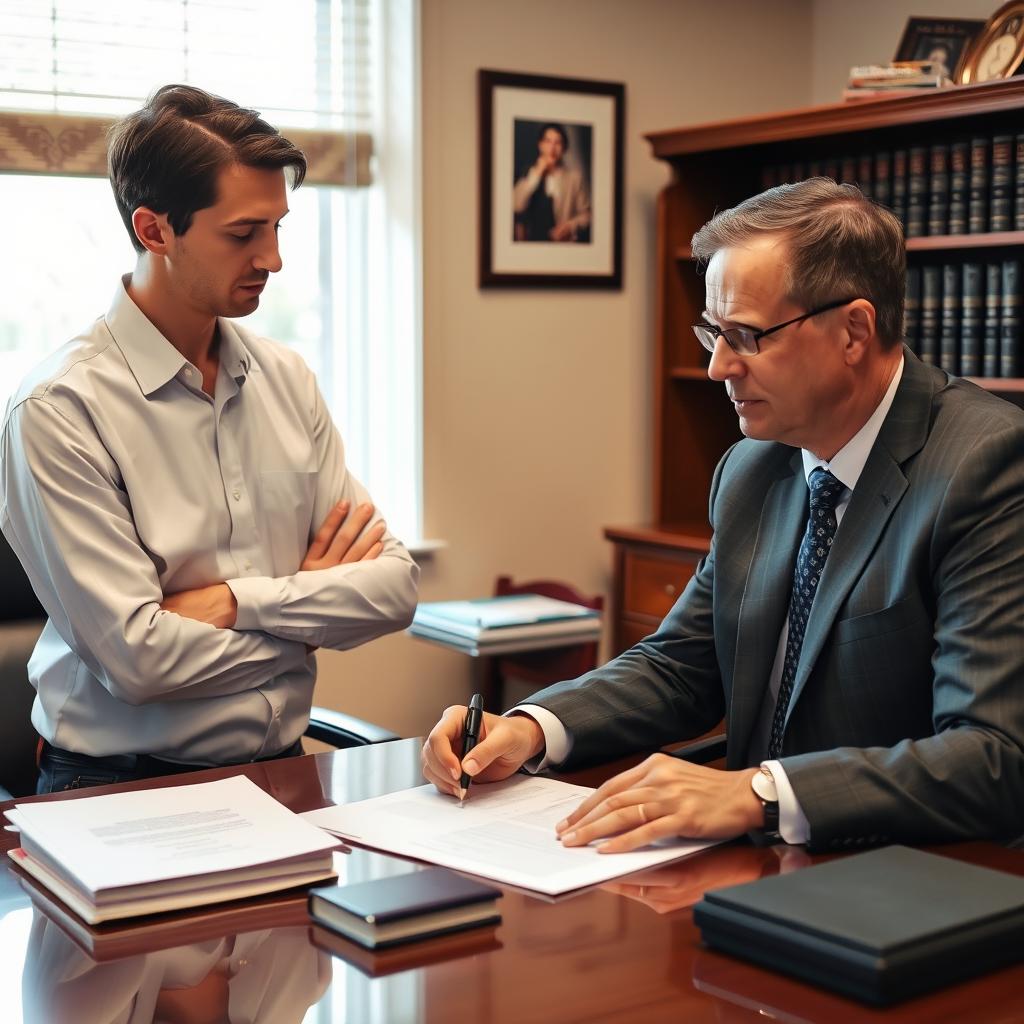
Obstruction of Justice Lawyer Manassas, VA
Facing an obstruction of justice charge in Manassas is serious. Under Va. Code § 18.2‑460, a conviction can bring jail time, fines, and a permanent criminal record. Mr. Sris, Owner and Founder of Law Offices Of SRIS, P.C., and his Of Counsel defend clients charged with obstruction in the Manassas General District Court and Manassas Circuit Court. Mr. Sris is a former prosecutor who understands how the Commonwealth builds its case. Reach Law Offices Of SRIS, P.C. at (888) 437‑7747 to request a consultation about your situation. Law Offices Of SRIS, P.C. – Advocacy Without Borders.
What Obstruction of Justice Means in Manassas
In Manassas, obstruction of justice prosecutions unfold in the Manassas General District Court for misdemeanor charges and move to the Manassas Circuit Court for felony charges. Both courts sit at 9311 Lee Avenue, Suite 230, Manassas, VA 20110, within the Thirty‑first Judicial District. The Commonwealth’s Attorney for Manassas prosecutes these cases. Because the statute covers a wide range of conduct—from hindering a law‑enforcement officer during an investigation to threats against a judge—the collateral consequences can be severe.
Under Va. Code § 18.2‑460, obstruction of an officer or court official is a Class 1 misdemeanor (maximum 12 months in jail and a $2,500 fine), while obstruction involving threats of bodily harm or force is a Class 5 felony (up to 10 years imprisonment).
Source: Va. Code § 18.2‑460. Va. Code § 18.2‑460
Reviewed by Mr. Sris, admitted in VA, MD, DC, NJ, and NY.
Because Virginia does not allow judges to negotiate plea agreements, the Commonwealth’s Attorney retains the authority to amend or dismiss charges. An experienced defense team can seek to resolve the case before trial by challenging the officer’s observations, the voluntariness of the interaction, or the intent element of the offense.
Beyond the statutory penalties, an obstruction conviction can carry significant collateral consequences. A permanent criminal record may appear on background checks used by employers, landlords, and licensing agencies throughout Virginia. Certain professional licenses—including those in healthcare, education, legal practice, and security services—may be affected or revoked following a criminal conviction. Virginia law provides limited mechanisms for expungement, and obstruction convictions are generally not eligible for removal from a person’s record. For individuals who are not United States citizens, a criminal conviction may also trigger immigration consequences. Mr. Sris and his Of Counsel can discuss these potential consequences in the context of a specific case.
How Mr. Sris and His Of Counsel Handle Obstruction Cases
Mr. Sris and his Of Counsel begin every obstruction defense by examining the arrest circumstances. The statute requires that the officer or court official was performing a lawful duty. If the underlying detention or investigation was unsupported, the obstruction charge may be vulnerable. They evaluate whether the alleged conduct truly impeded the officer—mere argument or disagreement, without physical interference, may fall short of the statutory standard.
The team also considers constitutional defenses. Speech directed at an officer, however heated, may be protected by the First Amendment. Mr. Sris and his Of Counsel work to obtain discovery, including body‑camera footage and witness statements, to build a record that supports a motion to dismiss, a negotiated amendment, or, when necessary, a trial. Throughout the process, they appear in the Manassas General District Court and Manassas Circuit Court, familiar with the local calendar and the Commonwealth’s Attorney’s office.
In addition to evidentiary challenges, Mr. Sris and his Of Counsel evaluate whether the officer’s actions were consistent with constitutional requirements. An unlawful stop, an arrest without probable cause, or an extended detention beyond what the law permits can form the basis for suppressing evidence or seeking dismissal. The team also examines witness credibility, inconsistencies in police reports, and whether the alleged conduct meets each element of the obstruction statute. Early investigation and preservation of evidence—including surveillance footage, cell phone recordings, and third‑party witness statements—can be critical in building an effective defense.
About Mr. Sris and His Of Counsel
Mr. Sris founded Law Offices Of SRIS, P.C. in 1997. He is a former prosecutor who has practiced criminal defense for nearly three decades. Mr. Sris is admitted in Virginia, Maryland, the District of Columbia, New Jersey, and New York. He testified before the Virginia House Courts of Justice Committee in support of 2019 HB 635 (chief patron Del. David Bulova).
Mr. Sris and his Of Counsel bring extensive combined legal experience. The team includes attorneys with prior law‑enforcement and prosecutorial backgrounds, giving them a practical understanding of how obstruction cases are investigated and charged. Mr. Sris and his Of Counsel have handled matters across multiple practice areas since 1997. Results may vary.
What to Expect During the Court Process
After an arrest for obstruction in Manassas, the individual is typically brought before a magistrate for an initial appearance. The magistrate determines whether probable cause exists and may set bond conditions. For misdemeanor charges, the first court date is usually an arraignment in the Manassas General District Court, where the judge advises the accused of the charges and the right to counsel. A trial date may be scheduled at arraignment or at a subsequent hearing. Misdemeanor trials in the General District Court are heard by a judge without a jury, and the Commonwealth must prove each element of the offense beyond a reasonable doubt.
For felony obstruction charges, the process includes a preliminary hearing in the Manassas General District Court. At the preliminary hearing, the Commonwealth must present sufficient evidence to establish probable cause that the offense occurred. If the judge finds probable cause, the case is certified to the Manassas Circuit Court for trial. In Circuit Court, the defendant may elect a trial by jury. Throughout each stage—from arraignment through preliminary hearing, plea negotiations, and potential trial—procedural deadlines apply, and missing a deadline can affect the defense. Mr. Sris and his Of Counsel manage the court process to help ensure that each deadline is met and that the defense is prepared at every stage.
Frequently Asked Questions
What should I do if I am charged with obstruction of justice in Manassas?
Contact a criminal defense attorney immediately and do not discuss the case with anyone except your lawyer. The clock starts on your defense as soon as the charge is filed. Preserve any relevant messages, recordings, or other evidence, but do not attempt to contact the arresting officer or any witness yourself. An attorney can evaluate your case under Va. Code § 18.2‑460 and advise you on moving forward. For guidance on your specific situation, reach Law Offices Of SRIS, P.C. at (888) 437‑7747.
Is obstruction of justice a misdemeanor or felony in Virginia?
It can be either. Simple obstruction—such as refusing a lawful command or briefly hindering an officer—is a Class 1 misdemeanor, carrying up to 12 months in jail and a $2,500 fine. Obstruction involving threats of bodily harm, force, or impersonation of law enforcement is a Class 5 felony, punishable by up to 10 years imprisonment. The classification depends on the specific allegations in the warrant. Mr. Sris and his Of Counsel can explain the exact charge you face after reviewing your case.
How does a Manassas obstruction lawyer defend against these charges?
Defense strategies focus on challenging the legality of the underlying police encounter, the officer’s claim of obstruction, and the defendant’s intent. The prosecution must prove that the officer was engaged in a lawful duty and that the defendant knowingly impeded that duty. Where the officer acted unlawfully or the defendant’s conduct was merely verbal, a motion to dismiss may be appropriate. In other cases, counsel may negotiate an amendment to a lesser, non‑criminal offense. Reach Law Offices Of SRIS, P.C. at (888) 437‑7747 to discuss the facts of your matter.
Which court handles an obstruction case in Manassas?
Misdemeanor charges are heard in the Manassas General District Court; felony charges go to the Manassas Circuit Court. The General District Court handles trial for misdemeanors and preliminary hearings for felonies. If the judge certifies a felony charge, the case is transferred to the Circuit Court for a potential jury trial. Both courts are located at 9311 Lee Avenue, Suite 230, Manassas, VA 20110. Mr. Sris and his Of Counsel appear in each court regularly.
Do I need a lawyer for an obstruction charge in Manassas?
Yes. Even a misdemeanor obstruction conviction creates a permanent criminal record that can affect employment, housing, professional licenses, and immigration status. The procedural rules in Virginia’s General District and Circuit Courts require experienced guidance. A lawyer can evaluate the strength of the Commonwealth’s evidence, identify defenses, and work toward a resolution that minimizes the long‑term impact. To discuss the details of your matter, contact Law Offices Of SRIS, P.C. at (888) 437‑7747.
What are the collateral consequences of an obstruction conviction in Virginia?
A conviction creates a permanent criminal record that can affect multiple areas of life beyond the court-imposed sentence. Employers, landlords, and professional licensing boards routinely conduct background checks that may reveal an obstruction conviction. Certain occupations—including those requiring security clearances, professional licenses, or positions of trust—may become more difficult to obtain or maintain. Virginia law offers limited expungement options, and obstruction convictions are generally not eligible for sealing or removal from a person’s criminal record. For non-citizens, a criminal conviction may carry immigration consequences. Mr. Sris and his Of Counsel can explain how a specific charge may affect your professional and personal circumstances.
Criminal defense lawyer Fairfax County •
Criminal defense lawyer Prince William County •
Criminal defense lawyer Manassas Park •
Criminal defense lawyer Falls Church •
Virginia criminal defense overview
Va. Code § 18.2‑460 •
Virginia Judicial System
Attorney advertising. Prior results do not guarantee a similar outcome.
Results may vary.
Case results depend on a variety of factors unique to each case.