
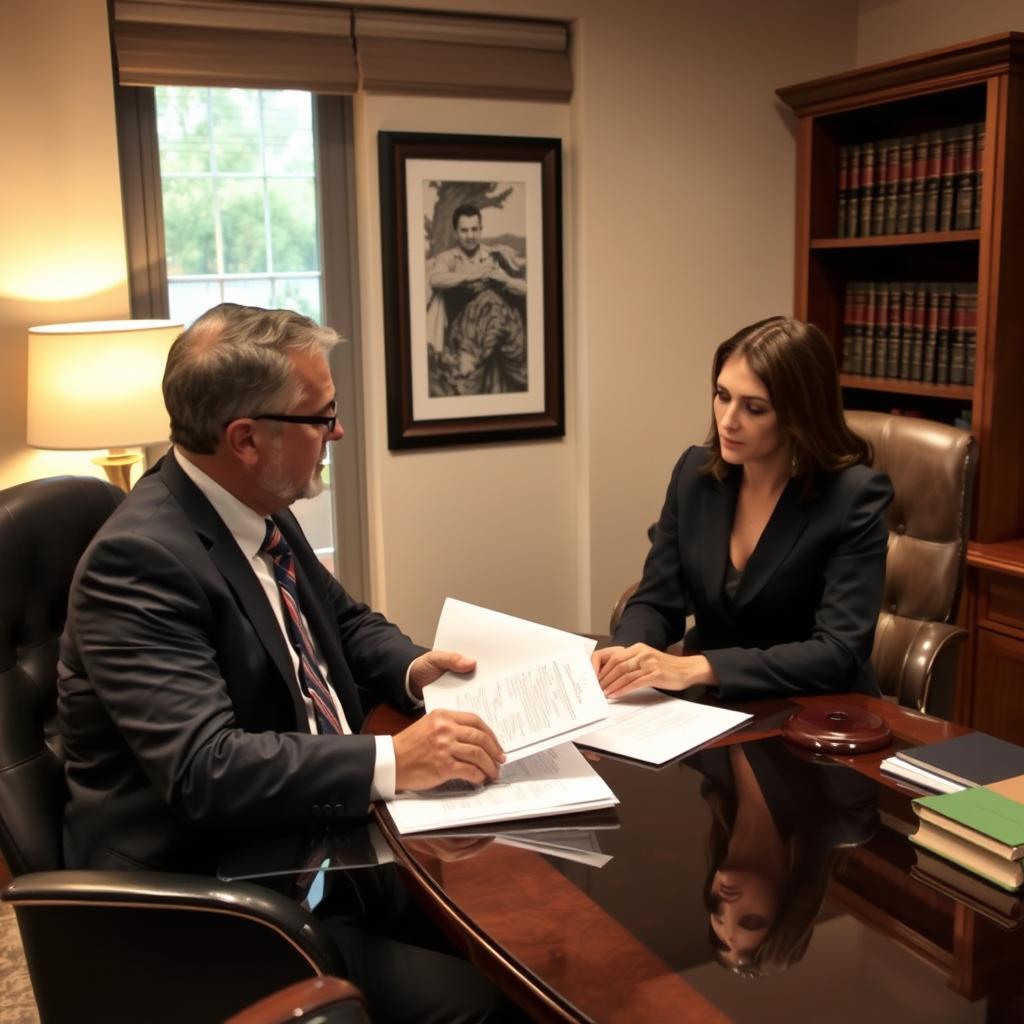
Property Damage Lawyer Falls Church
You need a Property Damage Lawyer Falls Church if you face charges for destroying or vandalizing property. Virginia law treats these offenses seriously, with penalties ranging from fines to jail time. Law Offices Of SRIS, P.C. —Advocacy Without Borders. provides focused defense for these charges in Falls Church courts. Our team understands local procedures and prosecutor strategies. (Confirmed by SRIS, P.C.)
Statutory Definition of Property Damage in Virginia
Virginia Code § 18.2-137 defines the core property damage offense as a Class 1 misdemeanor punishable by up to 12 months in jail and a $2,500 fine. This statute covers willfully or maliciously destroying, defacing, or damaging any public or private property. The law does not require a specific monetary threshold for the damage to apply. The charge hinges on the accused’s intent to cause the damage. A conviction creates a permanent criminal record.
Virginia law categorizes property crimes based on the value of the damage or the nature of the property. For damage valued under $1,000, the charge is typically a Class 1 misdemeanor under § 18.2-137. If the damage is valued at $1,000 or more, the charge escalates to a felony under Virginia Code § 18.2-138. This is a Class 6 felony, carrying a potential prison term of 1 to 5 years. The prosecution must prove the value of the loss to secure a felony conviction.
Other related statutes can apply in Falls Church cases. Virginia Code § 18.2-125 makes trespassing after being forbidden to do so a Class 1 misdemeanor. This often accompanies property damage charges. Virginia Code § 18.2-127 covers injuring or destroying tombstles or graves, a specific type of property damage. Understanding the exact code section you are charged under is the first critical step. A Property Damage Lawyer Falls Church analyzes the statute and the commonwealth’s evidence.
What is the difference between misdemeanor and felony property damage?
The value of the damage determines the charge level in Virginia. Damage valued under $1,000 is a misdemeanor. Damage valued at $1,000 or more is a felony. The line is strict and based on repair or replacement cost estimates. Prosecutors in Falls Church will seek felony charges if the evidence supports the higher valuation.
Can I be charged if I didn’t mean to cause damage?
The statute requires willful or malicious conduct. Accidental damage may not meet the legal standard for a conviction. However, prosecutors may still file charges based on the circumstances. A defense often focuses on challenging the intent element. A destruction of property defense lawyer Falls Church gathers evidence to show lack of criminal intent.
What does “malicious” mean under Virginia law?
Malice means acting with a wrongful or illegal motive. It implies a conscious disregard for the property rights of another. It is more than mere negligence. The prosecution must prove this state of mind beyond a reasonable doubt. This is a common point of legal contention in court.
The Insider Procedural Edge in Falls Church
Your case will be heard at the Falls Church General District Court located at 300 Park Avenue, Falls Church, VA 22046. This court handles all misdemeanor property damage charges initially. Felony charges start here for preliminary hearings. The court operates on a strict schedule. Knowing the specific courtroom and judge’s procedures is a tactical advantage.
Procedural specifics for Falls Church are reviewed during a Consultation by appointment at our Falls Church Location. Filing fees and court costs are set by Virginia law and can add hundreds of dollars to any penalty. The timeline from arrest to trial can be several months, but initial hearings occur quickly. Missing a court date results in an immediate failure to appear warrant. Having local counsel ensures all deadlines are met.
The Falls Church Commonwealth’s Attorney’s Location prosecutes these cases. Local prosecutors have specific policies regarding plea negotiations for vandalism and destruction charges. They often seek restitution for the victim as a condition of any resolution. Early intervention by a vandalism charge lawyer Falls Church can influence the initial charging decision. An attorney can present mitigating facts to the prosecutor before a formal court hearing.
How long does a property damage case take?
A misdemeanor case can take three to six months to resolve from arrest to final disposition. Felony cases often take nine months to a year or longer. The timeline depends on court scheduling, evidence discovery, and negotiation. Your attorney can sometimes expedite the process through strategic motions.
What happens at the first court date?
The first date is an arraignment or advisement hearing. The judge will formally read the charges against you. You will enter a plea of guilty, not guilty, or no contest. For any plea other than not guilty, sentencing could occur immediately. It is critical to have an attorney present before this hearing.
Can I handle this without a lawyer?
You have the right to represent yourself, but it is not advisable. The legal process is complex with strict rules. Prosecutors are experienced attorneys. A single procedural misstep can severely damage your case. The potential penalties justify obtaining professional criminal defense representation.
Penalties & Defense Strategies
The most common penalty range for a first-time misdemeanor property damage charge is a fine between $500 and $2,500, plus restitution. Jail time is possible, especially for repeat offenses or significant damage. The court almost always orders full restitution to the victim. This is the money needed to repair or replace the damaged property. A conviction will remain on your Virginia criminal record permanently.
| Offense | Penalty | Notes |
|---|---|---|
| Misdemeanor Property Damage (Value under $1,000) | Up to 12 months jail, fine up to $2,500 | Class 1 Misdemeanor. Restitution mandatory. |
| Felony Property Damage (Value $1,000+) | 1 to 5 years prison, fine up to $2,500 | Class 6 Felony. Possible active incarceration. |
| Destruction of Public Property | Up to 12 months jail, fine up to $2,500 | Enhanced scrutiny from prosecutors. |
| Trespass with Damage | Up to 12 months jail, fine up to $2,500 | Two separate charges often filed together. |
[Insider Insight] Falls Church prosecutors prioritize restitution to victims. They are often willing to consider alternative resolutions like dismissal upon payment or pre-trial diversion for first-time offenders. However, they take a hard line on gang-related graffiti, damage to public buildings, or repeat offenders. An effective defense must address the prosecutor’s dual goals of punishment and victim compensation.
Defense strategies begin with challenging the evidence of intent. We examine whether the act was truly willful. We also scrutinize the valuation of the damage. The prosecution’s estimate must be accurate and justified. If the value is below $1,000, we fight to prevent an unwarranted felony charge. We investigate witness credibility and police report accuracy.
For eligible clients, we pursue diversion programs. These programs may involve community service, anger management classes, and full restitution. Successful completion can lead to a dismissal of the charges. We negotiate directly with prosecutors to secure the best possible pre-trial outcome. If a trial is necessary, we prepare a compelling case for the judge.
Will I go to jail for a first-time property damage charge?
Jail is possible but not automatic for a first offense. The judge considers the damage value, your criminal history, and the circumstances. For minor damage and a clean record, a fine and restitution are more likely. An attorney argues for alternatives to incarceration at sentencing.
How does restitution work?
The court orders you to pay the victim the exact cost of repairs or replacement. This amount is separate from any fine paid to the court. Restitution is a mandatory part of any conviction. It can also be a condition of a pre-trial agreement. We verify the restitution amount is fair and accurate.
Can a property damage charge be expunged?
In Virginia, expungement is generally only available if the charges are dismissed or you are found not guilty. A conviction for property damage, even a misdemeanor, is typically not eligible for expungement. This makes avoiding a conviction paramount. A dismissal or alternative disposition protects your record.
Why Hire SRIS, P.C. for Your Falls Church Case
Our lead attorney for property crimes in Northern Virginia is a former law enforcement officer with direct insight into prosecution tactics. This background provides a unique advantage in building your defense. We know how police and prosecutors build their cases from the inside. We use this knowledge to identify weaknesses and opportunities in your specific situation.
Designated Counsel for Property Crimes: Our attorneys have handled hundreds of misdemeanor and felony property damage cases in Falls Church and across Northern Virginia. We focus on the local court’s procedures and the tendencies of the Falls Church Commonwealth’s Attorney. We prepare every case with the assumption it will go to trial. This preparation gives us use in negotiations.
SRIS, P.C. has a Location in Falls Church for your convenience. We provide our experienced legal team with direct access to the Falls Church General District Court. We have a track record of achieving dismissals, reduced charges, and favorable plea agreements for our clients. We communicate directly and clearly about your options and the likely outcomes. Our approach is strategic and aggressive from the first consultation.
We treat every case with individual attention. No two property damage allegations are identical. We investigate the scene, interview witnesses, and review all evidence. We develop a defense plan specific to the facts of your arrest and your personal background. Our goal is to protect your freedom, your finances, and your future. You need an attorney who will fight for the best result.
Localized FAQs for Falls Church Property Damage Charges
What should I do if I am arrested for property damage in Falls Church?
Remain silent and request an attorney immediately. Do not discuss the incident with police. Contact a Property Damage Lawyer Falls Church as soon as possible. We can intervene early, often before formal charges are filed.
Will I have to face the property owner in court?
The property owner is typically the victim and a witness for the prosecution. They may testify against you. Your attorney can often negotiate restitution without requiring a confrontational court appearance.
How much does a property damage defense lawyer cost?
Legal fees depend on the charge severity (misdemeanor vs. felony) and case complexity. We discuss fees transparently during your initial Consultation by appointment. Investing in a strong defense can save you money on fines and restitution.
Can I just pay for the damage and make the case go away?
Paying for the damage is restitution, not a assured case dismissal. The Commonwealth must still agree to drop charges. A lawyer negotiates this agreement formally with the prosecutor to ensure legal closure.
Does a property damage charge affect my driver’s license?
A simple property damage conviction does not directly affect your Virginia driver’s license. However, if the incident involved a vehicle (like a hit-and-run), separate DMV penalties may apply. We review all potential consequences.
Proximity, Call to Action & Disclaimer
Our Falls Church Location is strategically positioned to serve clients facing charges in the Falls Church General District Court. We are accessible for meetings to prepare your defense. Consultation by appointment. Call 888-437-7747. 24/7.
Law Offices Of SRIS, P.C.
Falls Church, Virginia
Phone: 888-437-7747
If you are facing vandalism or destruction charges, act now. Early legal intervention is critical. Contact SRIS, P.C. to schedule a case review with a DUI defense in Virginia and property crime attorney. We provide direct advocacy focused on your specific charges in Falls Church.
Past results do not predict future outcomes.