
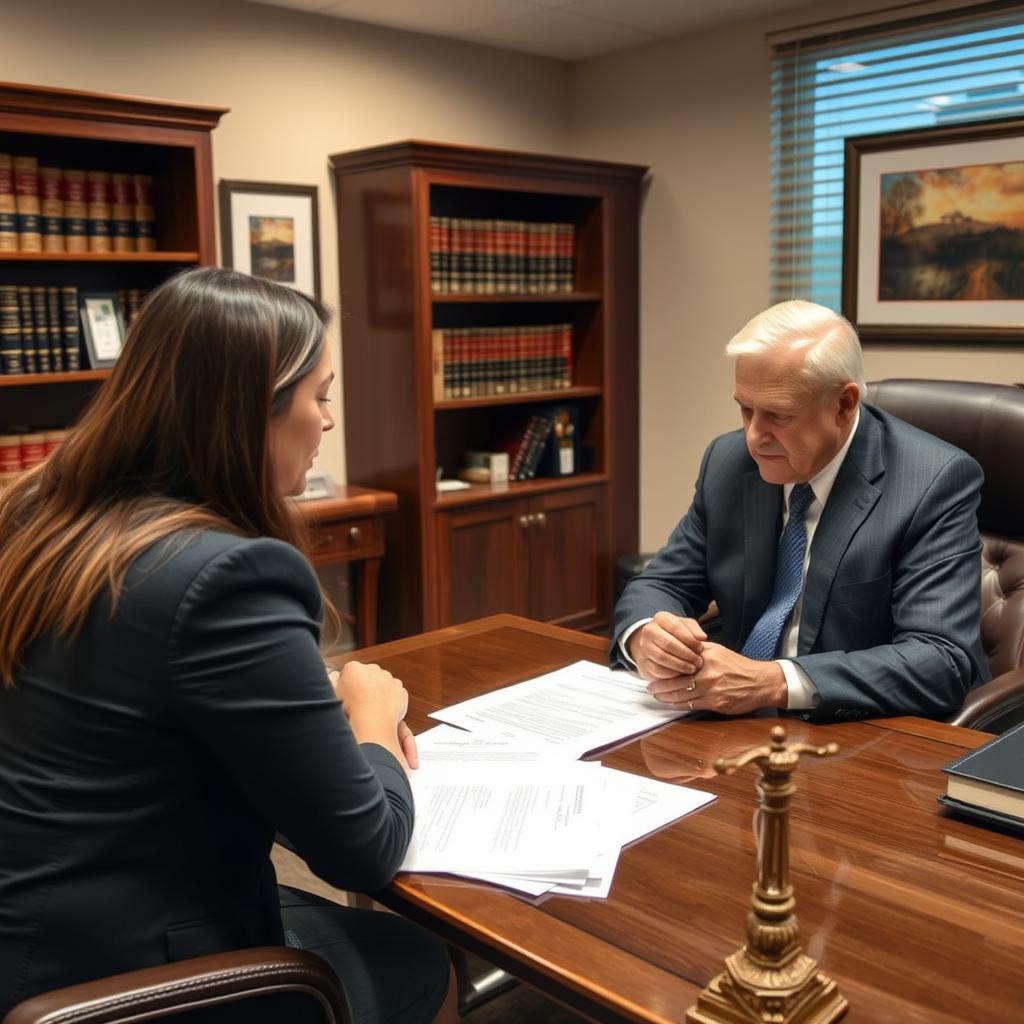
Property Damage Lawyer Virginia, VA
If you are facing property damage charges in Virginia, the legal proceedings can carry consequences that extend well beyond the criminal case. A conviction for destruction of property may result in a permanent criminal record, restitution obligations, and possible incarceration. Law Offices Of SRIS, P.C., founded in 1997, provides defense representation in Virginia property damage matters. Mr. Sris and his Of Counsel team bring over 120 years of combined legal experience and 4,739+ documented firm-wide results to property damage cases, drawing on a background that includes former prosecution and law enforcement perspectives. Results may vary. To discuss your situation, reach Law Offices Of SRIS, P.C. at (888) 437-7747. Law Offices Of SRIS, P.C. — Advocacy Without Borders.
What Property Damage Means in Virginia
Virginia law addresses property damage under the applicable statute, which covers the intentional destruction, damage, or defacement of another person’s property. The classification of the offense turns on the value of the damage involved. When the amount of damage falls below a statutory threshold, the charge is generally a Class 1 misdemeanor. If the damage meets or exceeds that threshold, the offense may be charged as a Class 6 felony. Because the line between a misdemeanor and a felony can be narrow, the valuation of the damage often becomes a central issue in the defense of a property damage case.
Property damage cases in Virginia are heard in the General District Court for misdemeanor offenses and in the Circuit Court for felony charges. In misdemeanor proceedings, the court has jurisdiction to impose up to twelve months in jail and a fine, while a felony conviction carries the possibility of state incarceration. In addition to any criminal penalty, the court may order restitution to the victim for the cost of repairs or replacement. The Commonwealth’s Attorney prosecutes these cases, and the defense may challenge the evidence of value, intent, and identity. The procedural framework in each jurisdiction can vary, and local court practices in Virginia’s many localities can influence how a property damage case is resolved.
How Mr. Sris and His Of Counsel Handle Property Damage Cases
Defending a property damage charge in Virginia requires careful examination of the factual and legal elements of the case. Mr. Sris and his Of Counsel review the circumstances surrounding the alleged damage, including the condition of the property before the incident, the method used to calculate the claimed damage amount, and any evidence of intent. Because a conviction requires proof that the defendant acted intentionally, the defense may focus on whether the damage was accidental or whether the accused was mistakenly identified.
When the value of the damage is contested, the defense may challenge the prosecution’s damage estimate using photographs, repair estimates, and experienced attorney analysis where appropriate. In some instances, the Commonwealth’s Attorney may agree to reduce the charge from a felony to a misdemeanor if the damage amount is shown to fall below the statutory dividing line. Mr. Sris and his Of Counsel work to develop a defense strategy that addresses each element of the Commonwealth’s case. Every matter is evaluated individually, and the approach is shaped by the facts, the relevant jurisdiction, and the client’s objectives. The timeline of a property damage case depends on the court’s calendar and the nature of the charge.
About Mr. Sris and His Of Counsel Team
Mr. Sris, Owner and Founder of Law Offices Of SRIS, P.C., is a former prosecutor with experience in criminal trial work. He founded the firm in 1997 and maintains a multi‑state practice admitted in Virginia, Maryland, the District of Columbia, New Jersey, and New York. Mr. Sris testified before the Virginia House Courts of Justice Committee in support of 2019 HB 635 (chief patron Del. David Bulova). His background provides a perspective on both sides of the courtroom, informing the strategic approach the firm brings to property damage defense.
Mr. Sris is joined by a team of Of Counsel attorneys who bring substantial experience in criminal defense, including former law enforcement and prosecution backgrounds. This collective experience enables the firm to evaluate property damage cases from multiple angles, from the initial investigation through resolution. The firm’s practice is built on thorough preparation and a commitment to advocate for clients at every stage of the proceeding.
Frequently Asked Questions
What should I do if I am facing property damage charges in Virginia?
Contact an experienced criminal defense attorney promptly. Do not discuss the facts of the case with anyone other than your lawyer, and preserve any documentation or photographs that may relate to the property condition, estimates of damage, and communications about the incident. Early legal guidance can help protect your rights and allow for a proper evaluation of the evidence before you make any decisions.
How does a Virginia lawyer defend against property damage charges?
A defense may challenge the value of the damage, the element of intent, or the identification of the accused. If the prosecution’s damage estimate is overstated, the defense can present competing evidence to show that the actual cost of repair or replacement falls below the felony threshold. Additionally, if the incident was accidental or the defendant was not properly identified, these issues may be raised to seek a reduction or dismissal of the charge.
Can property damage charges be dropped or reduced in Virginia?
Charges may be reduced or dismissed depending on the evidence and the posture of the case. If the Commonwealth’s Attorney determines that the damage amount or proof of intent is insufficient to support the original charge, a reduction to a lesser offense or a nolle prosequi (dismissal) may be possible. In other situations, negotiation with the prosecutor may result in an amendment of the charge, particularly if restitution is made or civil liability has been resolved.
What are the possible penalties for property damage in Virginia?
Penalties depend on the value of the damage and the classification of the offense. A Class 1 misdemeanor carries a maximum of twelve months in jail and a fine, while a Class 6 felony involves a term of incarceration and a higher fine. The court may also order restitution to the victim for the cost of repair. Because the potential consequences include a criminal record and possible incarceration, representation is important at every stage of the process.
Do I need a lawyer for property damage in Virginia?
While you are not legally required to hire a lawyer, representation can help protect your rights and your future. A property damage conviction can affect employment, professional licensing, and immigration status. An attorney can examine the prosecution’s evidence, challenge the stated value of the damage, and advocate for a favorable resolution. For a consultation, reach Mr. Sris and his Of Counsel at (888) 437-7747.
How do I find a property damage lawyer in Virginia?
Look for a defense attorney with experience handling Virginia property damage cases and familiarity with the local courts. Verify the lawyer’s license and background, and seek a consultation to discuss the specific facts of your situation. Law Offices Of SRIS, P.C. provides defense representation in Virginia property damage matters; request a consultation by calling (888) 437-7747.
Related practice areas: Virginia Assault Defense · Virginia DUI Defense · Virginia Domestic Violence Defense · Virginia Petit Larceny Defense · Virginia Criminal Defense
Outbound primary-source authority links:
Virginia Courts
Attorney advertising. Prior results do not guarantee a similar outcome.
Case results depend on a variety of factors unique to each case.
Results may vary.