
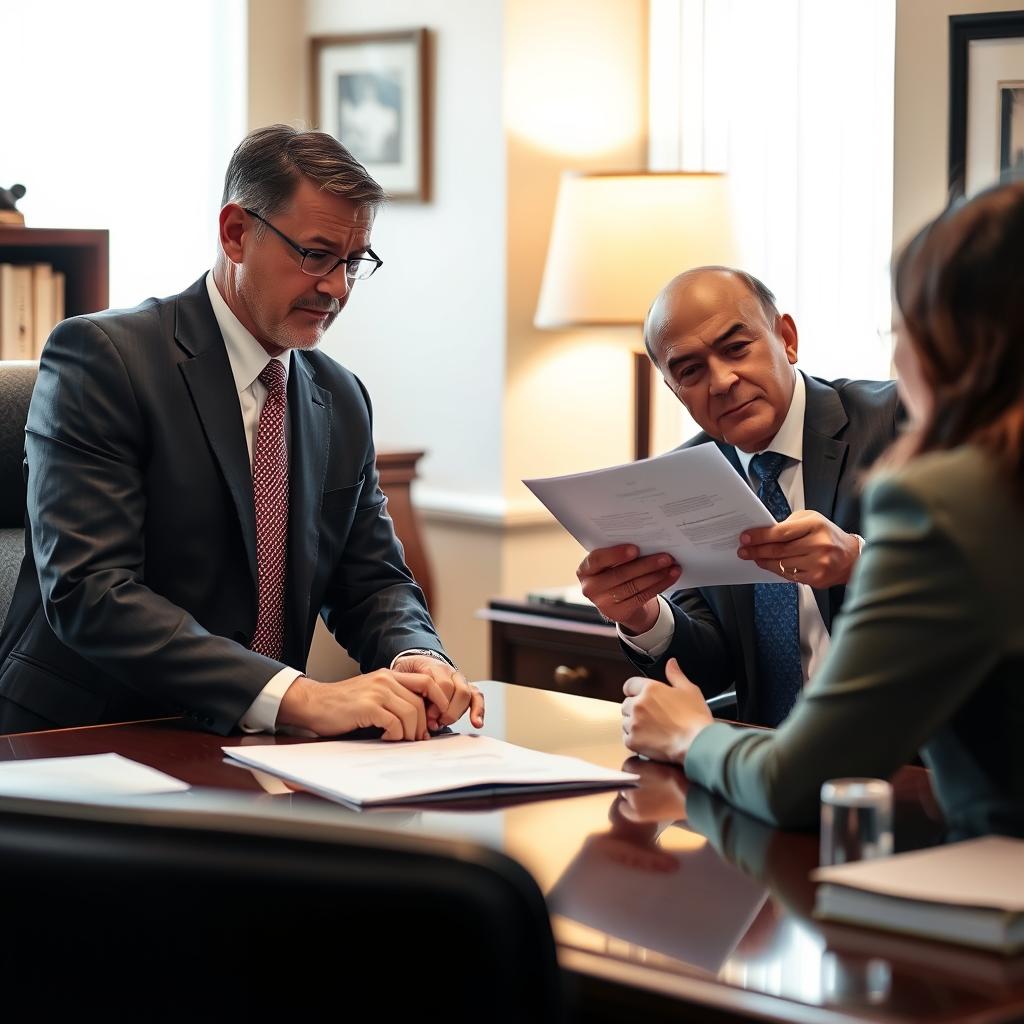
Protective Order Defense Lawyer Prince George County
You need a Protective Order Defense Lawyer Prince George County if you have been served with a petition. Law Offices Of SRIS, P.C. —Advocacy Without Borders. A protective order is a civil court injunction with serious criminal penalties for violations. The Prince George County General District Court handles these hearings. An immediate defense is critical to protect your rights and reputation. (Confirmed by SRIS, P.C.)
Statutory Definition of a Protective Order in Virginia
Virginia Code § 19.2-152.10 defines a final protective order as a Class 1 misdemeanor for violation, punishable by up to 12 months in jail and a $2,500 fine. This statute grants a judge the authority to issue orders prohibiting contact, granting possession of a residence, and awarding temporary custody. The order is a civil injunction, but any breach is a criminal offense. The burden of proof for issuance is “preponderance of the evidence,” a lower standard than criminal “beyond a reasonable doubt.” This makes a strong defense at the initial hearing paramount.
A protective order is not a criminal charge against you initially. It is a civil complaint filed by a petitioner alleging fear of violence, force, or threat. The court can issue emergency, preliminary, and final protective orders. Each stage carries immediate consequences. An emergency protective order (EPO) can be issued by a magistrate at any time, even without you present. A preliminary protective order (PPO) follows a hearing where you may not yet have counsel. The final order hearing is your primary opportunity to contest the allegations. Virginia law allows these orders for family abuse, acts of violence, force, or threat, or stalking. The definitions under Virginia Code are broad. A skilled Protective Order Defense Lawyer Prince George County knows how to challenge the petitioner’s evidence.
What is the legal standard for issuing a protective order?
A judge must find a “preponderance of the evidence” that an act of violence, force, threat, or stalking occurred. This means it is more likely than not that the alleged act happened. It is a much lower burden than a criminal trial. This is why petitioners often seek these orders. They are easier to obtain than criminal warrants. The respondent must present counter-evidence and cross-examine witnesses effectively. Without a lawyer, you are at a severe disadvantage. The judge will hear only one side of the story.
How long does a final protective order last in Virginia?
A final protective order can last for up to two years under Virginia law. The judge sets the specific duration at the final hearing. The petitioner can request extensions before it expires. Some orders are issued for the maximum period immediately. The clock starts on the date the judge signs the final order. The order remains active and enforceable for its entire term. Violating any condition at any time during those two years is a crime. You must understand every condition listed on the order.
Can a protective order affect child custody cases?
A protective order can severely impact any pending or future child custody case. Family courts view protective orders as evidence of a threat to a child’s safety. Judges in juvenile and domestic relations courts often grant temporary custody to the petitioner. This can establish a status quo that is hard to change later. The allegations in the petition become part of the custody record. Defending the protective order is often the first step in protecting your parental rights. You need a lawyer who handles both protective order defense and Virginia family law matters.
The Insider Procedural Edge in Prince George County
Your protective order hearing will be at the Prince George County General District Court located at 6601 Courts Drive, Prince George, VA 23875. This court hears all protective order petitions for incidents occurring within the county. The clerk’s Location for filing is in the same building. You must respond to the summons and appear on the scheduled court date. Failure to appear results in the order being granted by default. The court docket for these hearings is often crowded. Arrive early and be prepared to wait. Bring all evidence and witness lists with you.
Procedural specifics for Prince George County are reviewed during a Consultation by appointment at our Prince George County Location. The timeline from service to hearing is typically short, often just a few weeks. Filing fees are generally waived for petitioners, but not for respondents. The court requires specific forms to be completed accurately. Mistakes in paperwork can delay your case or weaken your position. Local rules may dictate how evidence is submitted. Knowing the judge’s preferences for presenting testimony matters. An experienced lawyer knows these local procedures.
What is the address for protective order hearings?
The Prince George County General District Court address is 6601 Courts Drive, Prince George, VA 23875. All protective order hearings for the county are held here. The building houses both the General District and Juvenile and Domestic Relations courts. You must go to the correct courtroom. Check the posted docket or ask the clerk for your courtroom assignment. Parking is available on site. Allow extra time for security screening at the entrance.
How quickly will my hearing be scheduled?
A final protective order hearing is usually scheduled within 15 to 30 days after the preliminary order is issued. The date is printed on the documents served on you. The court aims for a swift resolution due to the alleged emergency nature. This short timeline pressures respondents to find legal help quickly. Continuances are difficult to obtain without good cause. You must use the time before the hearing to build your defense. Gather any texts, emails, photos, or witness information immediately.
What are the filing fees for a respondent?
There are typically no filing fees for you as the respondent to answer the petition. Your costs are for legal representation and any associated expenses for evidence. The petitioner does not pay a fee to file the initial complaint. The court system absorbs these costs for protective orders. This makes it easy for anyone to file a petition. Your financial burden comes from defending against it. Investing in a criminal defense representation is critical.
Penalties & Defense Strategies
The most common penalty for violating a protective order is a Class 1 misdemeanor conviction, carrying up to 12 months in jail. The judge has wide discretion in sentencing upon a finding of contempt or a criminal conviction. Penalties escalate sharply for repeat violations or if the violation involves a new act of violence. The court can impose all penalties consecutively. A conviction will appear on your permanent criminal record. This can affect employment, housing, and professional licenses. You must understand the full range of potential consequences.
| Offense | Penalty | Notes |
|---|---|---|
| First Violation (Class 1 Misdemeanor) | Up to 12 months jail, fine up to $2,500 | Mandatory minimum 60 days jail if violation involves assault/battery. |
| Subsequent Violation (Class 6 Felony) | 1 to 5 years prison, or up to 12 months jail, fine up to $2,500 | Becomes a felony charge; prison time is possible. |
| Violation Involving Firearm | Mandatory minimum 60 days confinement | Additional federal laws may also apply. |
| Contempt of Court | Jail until compliant, fine at judge’s discretion | Civil contempt is punitive and coercive. |
[Insider Insight] Prince George County prosecutors treat protective order violations seriously, especially with any allegation of contact. They often seek active jail time for any breach, viewing it as disrespect for the court’s authority. Early intervention by a lawyer to negotiate terms or clarify order boundaries is crucial. Do not assume a minor technical violation will be overlooked.
Defense strategies begin with challenging the initial petition’s sufficiency. Was the petitioner truly in fear? Was the alleged act sufficient to meet the legal definition? We scrutinize the evidence for inconsistencies or exaggeration. We file motions to dismiss for defective service or lack of jurisdiction. At the hearing, we cross-examine the petitioner rigorously. We present contrary evidence, including your own testimony and witnesses. We argue for the most limited order possible if some terms are uncontested. The goal is to prevent the order from being issued or to minimize its scope and duration.
What are the mandatory minimum sentences?
Virginia law imposes a mandatory minimum 60-day jail sentence for a protective order violation involving an assault, battery, or credible threat. If the violation includes a firearm, a 60-day mandatory minimum also applies. These mandatory sentences remove judicial discretion. The judge must impose active jail time. Prosecutors will push for these enhancements if the facts allow. Your defense must attack the underlying allegation of assault or threat. Preventing a finding on that element is key to avoiding the mandatory time.
Can I be arrested for accidentally violating an order?
Yes, you can be arrested for any violation, even an accidental one. The order’s terms are strict liability in many respects. An accidental text message, a chance encounter at a store, or a third-party contact can trigger arrest. Intent is often not a defense to the violation itself. Your explanation of intent may be relevant at sentencing. The best defense is absolute compliance and a clear understanding of the order’s boundaries. A lawyer can seek a modified order with clearer, more practical terms.
How does a violation affect my concealed carry permit?
A protective order violation conviction will result in the revocation of your concealed carry permit in Virginia. You will be prohibited from purchasing or possessing firearms while the order is active. A felony violation results in a permanent loss of firearm rights. The court will order you to surrender any firearms immediately. This has significant implications for employment in security or law enforcement. Defending the underlying violation charge is the only way to protect this right.
Why Hire SRIS, P.C. for Your Defense
Bryan Block, a former Virginia State Trooper, leads our defense team and understands how police and prosecutors build these cases. His inside perspective on law enforcement procedures is invaluable for crafting a counter-strategy. He knows the tactics used to secure evidence and testimony. This experience directly benefits your defense in Prince George County. He focuses on the facts that matter to the court.
Bryan Block
Former Virginia State Trooper
Extensive protective order defense experience in Prince George County Circuit and District Courts.
Focuses on factual discrepancies and procedural defenses.
SRIS, P.C. has a dedicated team for protective order cases. We assign multiple attorneys to review every petition and police report. We look for weaknesses in the petitioner’s story from the start. We prepare for hearing as if it were a trial. We gather evidence, interview witnesses, and develop a clear narrative for the judge. Our Prince George County Location is staffed with lawyers who know the local judges. We understand what arguments resonate in that courtroom. We provide aggressive DUI defense in Virginia and other complex litigation, demonstrating our trial capability. Our approach is direct and focused on your objectives.
Localized FAQs for Prince George County
How do I get a protective order dropped in Prince George County?
You must file a motion to dissolve or modify the order with the Prince George County General District Court. The original petitioner must agree or you must show a material change in circumstances. The judge has sole discretion to grant or deny your request. Legal representation significantly improves your chances.
What is the difference between an EPO and a PPO in Virginia?
An Emergency Protective Order (EPO) lasts only 72 hours and is issued by a magistrate. A Preliminary Protective Order (PPO) lasts up to 15 days and is issued by a judge after an ex parte hearing. The PPO leads to the final hearing. Both restrict your conduct immediately.
Can I appeal a protective order in Prince George County?
Yes, you can appeal a final protective order from the General District Court to the Prince George County Circuit Court. You must file a notice of appeal within 10 days of the final order. The appeal results in a new trial where all evidence is presented again.
Will a protective order appear on a background check?
Civil protective orders are typically accessible in court records and may appear on certain detailed background checks. A criminal conviction for violating the order will definitely appear on standard criminal background checks for employment and housing.
What should I do immediately after being served?
Read the order completely and comply with every term. Do not contact the petitioner for any reason. Write down your recollection of the alleged incident. Contact a Protective Order Defense Lawyer Prince George County immediately to begin preparing your defense for the hearing date.
Proximity, Call to Action & Disclaimer
Our Prince George County Location is strategically positioned to serve clients throughout the county. We are accessible from key areas like Fort Lee, Disputanta, and Carson. The Prince George County General District Court is a central venue for these matters. Consultation by appointment. Call 888-437-7747. 24/7.
Law Offices Of SRIS, P.C.—Advocacy Without Borders.
Phone: 888-437-7747
Our experienced legal team is ready to defend you.
Past results do not predict future outcomes.